 Victor Ezeja
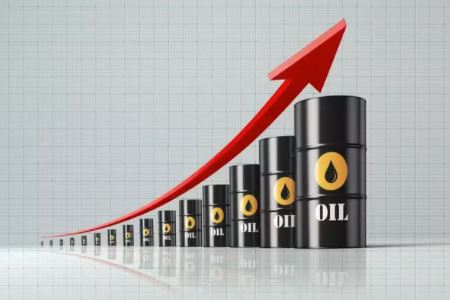
In a paradigm-shifting address at India Energy Week, OPEC’s Secretary General Haitham al-Ghais illuminated the pressing need for $14 trillion investment in the global oil market over the next two decades.
His remarks underscored the critical juncture at which the energy sector finds itself as it grapples with burgeoning demand and evolving dynamics.
“Oil demand will continue to rise, and there is a need to ensure that supply is maintained,” Al-Ghais asserted, emphasizing the imperative for sustained investment to meet the escalating energy needs of an increasingly interconnected world.
Echoing this sentiment, India’s Prime Minister Narendra Modi projected a doubling of his nation’s oil demand by 2045, highlighting India’s steadfast commitment to augmenting its energy infrastructure. “India is consistently growing its energy capacity,” Modi declared, outlining targets to bolster natural gas utilization and expand refining capabilities.
Al-Ghais also dispelled notions of a unilateral transition to renewable energy sources, affirming oil’s enduring significance in the global energy landscape. Despite concerted efforts to bolster renewable capacity, he cautioned against over-reliance on any single alternative, citing the multifaceted nature of energy demand growth.
“We need to invest in oil to ensure the security and reliability of the supply,” Al-Ghais said, articulating a pragmatic approach to energy transition that acknowledges the indispensable role of fossil fuels in meeting present and future energy needs.
His sentiments were echoed by energy ministers from oil-rich Guyana and gas-abundant Qatar, who emphasized the complementary nature of renewable and conventional energy sources.
While acknowledging the imperative of integrating renewables into the energy mix, they cautioned against premature phasing out of conventional fuels, citing the complex realities of global energy demand.
In essence, al-Ghais’ compelling discourse elucidated a nuanced perspective on the future of the oil market, highlighting the indispensable role of sustained investment in ensuring energy security and resilience amidst a rapidly evolving energy landscape. As nations navigate the complexities of energy transition, his insights serve as a beacon of pragmatism in charting a course towards a sustainable energy future.

Victor Ezeja is a passionate journalist with seven years of experience writing on economy, politics and energy. He holds a Master's degree in Mass Communication.