Abdulrazaq Hamzat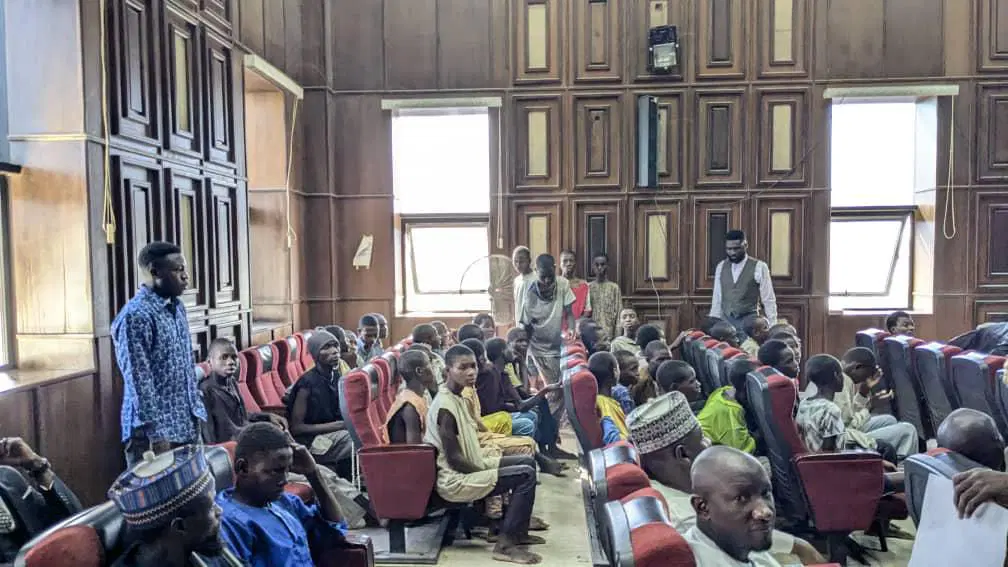
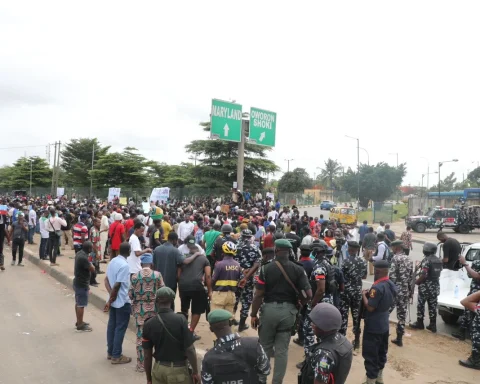
In the wake of Nigeria’s #EndBadGovernance protests, which turned violent and demanded greater accountability, several teenagers largely arrested from Northern Nigeria are now facing trial.
These minors, according to government allegations, participated in actions deemed treasonable, which included waving foreign flags and calling for a military takeover of the government.
The situation has sparked widespread debate regarding the appropriateness of subjecting minors to trials on charges as severe as treason.
Nigeria’s constitution defines treason as any act aimed at overthrowing the government or subverting state authority. Under the Criminal Code Act and Penal Code Act, treason carries severe penalties, including life imprisonment or even the death penalty in extreme cases.
The government argues that the actions of these minors waving foreign flags and calling for military intervention constitute treason.
However, such charges require evidence of clear intent to subvert the government. The severity of the charge has raised questions about whether teenagers fully understood the implications of their actions, given that many may have participated in the protest without comprehending its political consequences.
Nigeria’s legal system provides specific protections for minors, defined as individuals under 18, under the Child Rights Act (CRA) and Child’s Rights Law.
These laws emphasize rehabilitation and reintegration over punishment for minors involved in criminal activities, aiming to guide young offenders back toward positive contributions to society.
The CRA requires that minors be tried within the juvenile justice system, which ensures confidentiality, considers the child’s age and circumstances, and generally prohibits harsh penalties. While the CRA has not been adopted by every state, its principles reflect Nigeria’s commitment to the welfare of minors.
As a signatory to the United Nations Convention on the Rights of the Child (CRC), Nigeria is obligated to treat minors in ways that prioritize their best interests, focusing on rehabilitation rather than punishment.
Article 40 of the CRC underscores that children in conflict with the law should be treated in a manner that fosters their reintegration and constructive role in society.
The CRC further emphasizes that children should not be deprived of liberty except as a last resort and for the shortest possible time.
Nigeria’s obligations under the CRC highlight the need for alternatives to punitive measures in cases involving minors, even if their actions are deemed unlawful.
Furthermore, the trial of minors on charges of subversion or treason has precedence in various countries, with each case offering valuable lessons on the importance of proportionate responses.
During and after the Gezi Park protests in 2013 and subsequent anti-government demonstrations, Turkey prosecuted a number of minors under terrorism and anti-state laws. Some teenagers were accused of inciting violence or being involved in plots against the state. Although Turkish law has provisions for juveniles, some minors faced serious charges in adult courts under anti-terrorism legislation.
In the United States, there have been instances where minors in the United States were charged with serious offenses for participating in political protests. For example, during the Black Lives Matter protests, some teenagers were arrested on charges like rioting, incitement, or even terrorism in specific cases. However, these cases typically moved through the juvenile justice system, focusing on rehabilitation over punitive measures.
In Hong Kong, China, during the 2019 pro-democracy protests, authorities charged minors with offenses related to national security. While some faced detention, many were later given probation or community service, with Hong Kong’s courts considering their age and level of involvement.
In Iran, following recent anti-government protests, Iranian authorities arrested minors, charging them with sedition or threats to national security. The international community condemned these actions, emphasizing that minors’ involvement in politically motivated activities should not be grounds for harsh penalties without due process.
In light of both national laws and international standards, Nigeria can adopt 3 measures to handle this sensitive case in a manner that aligns with legal standards and the best interests of minors.
1. Prioritize Juvenile Courts and Diversion Programs. Given the age of the alleged offenders, trials should be conducted within the juvenile justice system, which focuses on rehabilitation.
2. Consider Lesser Charges. Rather than pursuing treason charges, which carry extreme penalties, the government could consider charges such as unlawful assembly or disturbing the peace. This would acknowledge the importance of upholding the law while also recognizing that minors may not fully grasp the consequences of their actions.
3. Involve Community-Based Programs. Drawing on Nigeria’s tradition of community support and youth development, the government could involve community leaders, families, and NGOs in addressing minors’ grievances. Programs focused on civic education and conflict resolution could help these minors understand their rights and responsibilities in a way that promotes constructive future engagement.
In conclusion, the ongoing trial of minors in Nigeria over their alleged participation in the #EndBadGovernance protests reflects a complex intersection of law, politics, and children’s rights. While the government is obligated to maintain order, it must also uphold Nigeria’s commitments to protecting minors under both national law and international conventions.
By considering the age and understanding of the accused, focusing on rehabilitation, and potentially downgrading charges, Nigeria can handle this case in a manner that respects its legal obligations while addressing public order. Drawing lessons from other countries, Nigeria has an opportunity to demonstrate leadership in upholding the rights and welfare of children in politically sensitive situations.
Abdulrazaq Hamzat is the Executive Director of Foundation for Peace Professionals