 Emmanuel Ochayi
Cost of a Healthy Diet in Nigeria Surges
The cost of maintaining a healthy diet in Nigeria has surged by 47.44% in the first seven months of 2024, significantly outpacing both general inflation and food inflation.
This increase, detailed in a new report by the National Bureau of Statistics (NBS) and the Global Alliance for Improved Nutrition, highlights the growing challenge of affording a nutritious diet amid rising food prices.
Join our WhatsApp ChannelRising Prices Across Key Food Groups
According to the report, the national average cost of a healthy diet jumped from N858 per adult per day in January 2024 to N1,265 by July 2024.
This sharp rise is linked to price hikes in vegetables, legumes, nuts, seeds, and starchy staples. “The main drivers of this increase in the cost of a healthy diet are essential food items such as vegetables and legumes,” the report stated.
Dr. Ibrahim Musa, a nutritionist in Lagos, commented on the report, stating, “These foods are vital for a balanced diet, but their increasing cost makes it harder for many Nigerians to eat healthily. This is a worrying trend that could have long-term health implications.”
READ ALSO: Netizens React As Cost Of Healthy Diet In Nigeria Rises By 32% In 5 Months
Regional Disparities in Cost
The report also highlighted significant regional disparities in the cost of a healthy diet. Ekiti, Ogun, and Osun states recorded the highest costs, with daily averages of N1,632, N1,612, and N1,611, respectively.
In contrast, states in the northern region, such as Katsina, Adamawa, and Sokoto, had the lowest costs, with daily averages of N884, N914, and N927.
At the zonal level, the South West Zone had the highest average cost at N1,581 per day, followed by the South-South Zone at N1,487. The North West Zone recorded the lowest average cost of a healthy diet, with N956 per day.
Impact on Inflation and Food Security
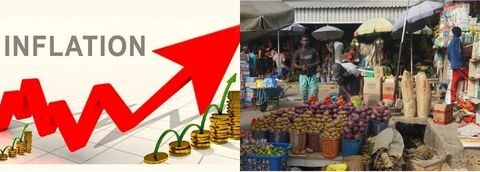
The rising cost of a healthy diet in Nigeria is occurring against a backdrop of high inflation. Although Nigeria’s headline inflation eased slightly to 33.40% in July 2024, down from 34.19% in June, the cost of a healthy diet continues to rise.
Food inflation, which makes up more than 50% of headline inflation, also slowed to 39.53% from 40.87% in the same period. However, the increase in the cost of a healthy diet remains a significant concern.
Mr. Johnson Adewale, an economist, explained the broader implications: “When the cost of a healthy diet rises faster than general inflation, it signals deeper issues in food security. Many households may be forced to opt for cheaper, less nutritious foods, which can lead to health problems down the line.”
Challenges in Meeting Nutritional Needs
The report further elaborated on the challenges in meeting nutritional needs within the current economic climate. Animal-sourced foods, which are essential for a balanced diet, were identified as the most expensive food group.
They accounted for 36% of the total cost of a healthy diet while providing only 13% of the total calories needed.
Fruits and vegetables, despite being critical for health, were the most expensive food groups in terms of price per calorie, contributing only 7% and 5% of the total calories, respectively.
Legumes, nuts, and seeds, on the other hand, were the least expensive food group, making up just 7% of the total cost. However, even these relatively affordable options have seen price increases that strain household budgets.
Conclusion
As the cost of a healthy diet continues to rise in Nigeria, the challenge of maintaining proper nutrition becomes increasingly difficult for many.
With essential food items driving the increase, and regional disparities further complicating the issue, it is clear that more needs to be done to ensure that all Nigerians have access to affordable, healthy food.
The rising cost of a healthy diet not only affects individual health but also poses a broader threat to the nation’s food security.

Emmanuel Ochayi is a journalist. He is a graduate of the University of Lagos, School of first choice and the nations pride. Emmanuel is keen on exploring writing angles in different areas, including Business, climate change, politics, Education, and others.
- Emmanuel Ochayihttps://www.primebusiness.africa/author/ochayi/
- Emmanuel Ochayihttps://www.primebusiness.africa/author/ochayi/
- Emmanuel Ochayihttps://www.primebusiness.africa/author/ochayi/
- Emmanuel Ochayihttps://www.primebusiness.africa/author/ochayi/