 Emmanuel Ochayi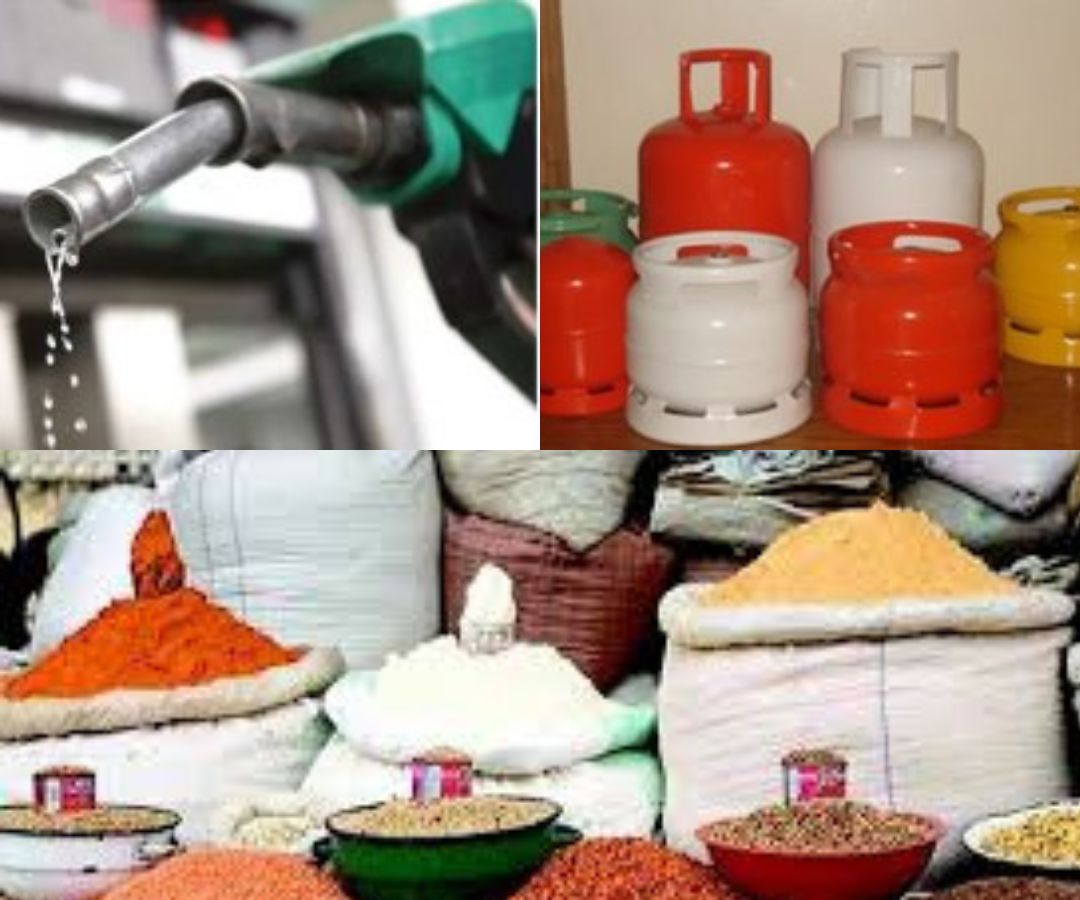
The surge in fuel prices in Nigeria, following the removal of fuel subsidies by the Nigerian National Petroleum Corporation Limited (NNPCL), has stirred widespread concern. With fuel prices climbing from N885 to N998 in Lagos and N897 to above N1,000 in different part of the country, Nigerians are grappling with the immediate economic fallout. Although the government’s intention behind this policy shift is rooted in promoting economic reform, the suffering masses are bearing the brunt of the price hikes.
The Economic Rationale Behind Deregulation
The government’s removal of the fuel subsidy, previously covering N133 per litre, is part of a broader strategy to redirect resources towards underfunded sectors like education, healthcare, and infrastructure. In a bid to create a more dynamic and competitive economy, the policy aims to attract private sector investments by allowing fuel prices to be determined by market forces. Officials have argued that this move will promote efficiency, spur innovation, and reduce corruption in the fuel sector.
Join our WhatsApp ChannelHowever, the immediate reality paints a contrast to the long-term promises of economic reform. According to a market analyst, “It’s true that deregulation may help the economy in the long run, but the people need to be supported now. The government must not overlook the hardship facing lower-income Nigerians.”
The Reality for Nigerians: Rising Costs and Inflation
The fuel price hike has caused a ripple effect throughout the economy, with the cost of transportation and goods expected to soar. Nigerians, already contending with high living costs and stagnant wages, now face additional financial strain. Inflation, which has been a persistent issue in Nigeria, is expected to worsen as the fuel price increase seeps into the cost of goods and services.
READ ALSO: Perennial Fuel Price Hike: Is This The Time To Dump Your Car For Bicycle?
“Everything is more expensive now,” said Chinedu, a Tricycle (Keke Napep) driver in Lagos. “Not just fuel, but food, rent, and school fees too. How are we supposed to survive?”
For lower-income households, the situation is particularly dire. These families spend a larger portion of their income on fuel and transportation, meaning that any price increase disproportionately affects them. The government’s failure to provide adequate social safety nets to cushion the impact of subsidy removal has only deepened their struggles. While wealthier Nigerians may find ways to absorb these rising costs, the masses are left vulnerable, with little support.
Infrastructural Strain and Productivity Decline
The fuel price increase has also exposed the frailty of Nigeria’s public infrastructure, particularly transportation. With fuel now more expensive, public transport operators are struggling to keep up with rising operational costs. As a result, commuters face longer waiting times and increased fares, contributing to decreased productivity for workers who depend on public transport.
“Before, I would leave home by 6 a.m. and get to work on time,” said Nkechi, a civil servant. “Now, with fewer buses on the road and longer queues, I’m late almost every day. It’s affecting my job, and I don’t know what to do.”
This strain on public transportation not only reduces productivity but also affects businesses, many of which rely on efficient movement of goods and workers. The long-term impact on Nigeria’s economy could be severe if these issues remain unaddressed.
The Risks of a Deregulated Oil Market
Another aspect of deregulation that worries many is the increased credit risk it places on oil marketers and retailers. Under the new “willing buyer, willing seller” arrangement, fuel marketers will need to negotiate prices directly with the Dangote Refinery, exposing them to price volatility. This uncertainty, coupled with the absence of a safety net, could lead to defaults and instability within the market. The risk of price fluctuations will ultimately trickle down to consumers, further aggravating their financial burdens.
A fuel station owner in Abuja commented, “We’re taking on more risk than ever before. Prices can change overnight, and there’s no guarantee that we’ll be able to manage the fluctuations. It’s a dangerous game.”
Social Welfare Measures Needed to Cushion Fuel Price Hike
While the government’s plan to redirect subsidy funds toward critical sectors holds potential, it must pair these reforms with immediate social welfare interventions to prevent further impoverishment of the populace. Targeted programs, such as cash transfers or subsidies for essential goods, are essential to ensure that lower-income households do not bear the brunt of these economic changes.
“We need support now,” said Mary, a market trader. “The government says this is for our future, but what about today? We are suffering.”
In addition to direct financial support, the government should also consider investing in alternative energy sources and enhancing public transportation systems. This could help reduce the dependency on fuel and provide more sustainable options for Nigerians in the long term.
The Path Forward: Balancing Reform with Compassion
For Nigeria to successfully navigate this period of economic transition, the government must find a balance between ambitious reform and social responsibility. While the removal of fuel subsidies may promote market efficiency and reduce corruption in the long run, these benefits cannot come at the expense of the masses. Without targeted social safety nets, Nigeria risks widening the gap between the wealthy and the poor, exacerbating inequality and poverty.
To prevent this, the government must ensure that deregulation is accompanied by robust measures to support vulnerable citizens. “We understand the need for reform,” said a policy expert. “But reforms must be carried out in a way that doesn’t leave the poor behind. There needs to be a safety net, and it needs to be in place now.”
The Nigerian government has a critical responsibility to manage this transition with care, balancing economic growth with the welfare of its people. With the right policies in place, Nigeria can achieve a more prosperous future without sacrificing the well-being of its most vulnerable citizens.

Emmanuel Ochayi is a journalist. He is a graduate of the University of Lagos, School of first choice and the nations pride. Emmanuel is keen on exploring writing angles in different areas, including Business, climate change, politics, Education, and others.