PBA Reporter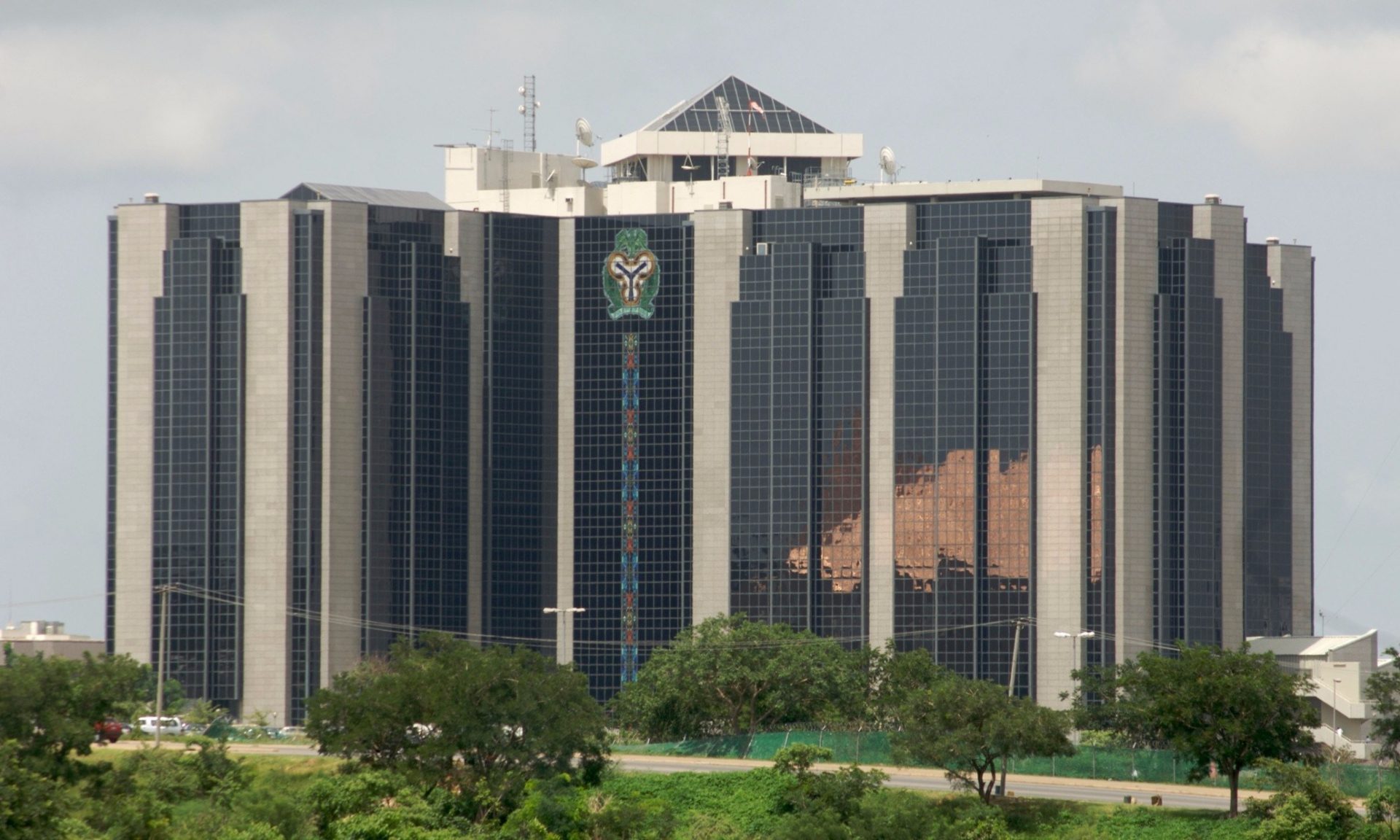
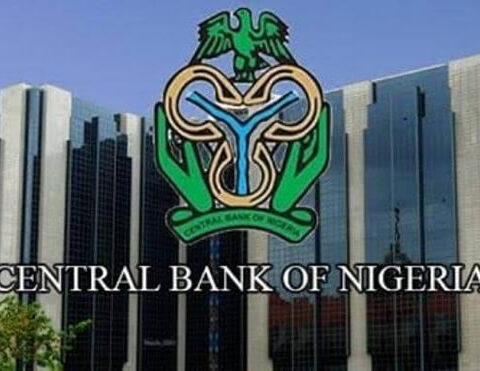
The Central Bank of Nigeria (CBN) has released guidelines for setting up Bank Neutral Cash Hubs (BNCHs).
The CBN, in a statement, noted that the BNCHs are being initiated in furtherance of its mandate to promote a sound financial system in Nigeria, in collaboration with Banker’s Committee in order to reduce the cost and improve operational efficiency in the country’s cash management value chain.
The statement read: “BNCHs are cash collection centers to be established by registered (licensed) processing companies or Deposit Money Banks (DMBs) based on business needs.
Join our WhatsApp Channel“They will be located in areas with high volumes of commercial activities and cash transactions.
“The hubs will provide a platform for customers to make cash deposits and receive value irrespective of the bank with which their account is domiciled.
“The key objective of setting up Bank Neutral Cash Hubs (BNCH) is to reduce the risks and cost borne by banks, merchants and huge cash handlers in the course of cash management activities; deepen financial inclusion; and leverage on shared services to enhance cash management efficiency.”
The apex ban said that the guideline was to provide minimum standards and requirements for BNCH registration and operations for effective supervision.
According to the guideline, “A BNCH may carry out the following: Receipt of Naira denominated deposits on behalf of financial institutions from individuals and businesses with high volumes of cash; disbursement of Naira denominated withdrawals on behalf of financial institutions to individuals and businesses with high volumes of cash.; and any other activities that may be permitted by the CBN.
The guideline however prohibits BNCHs from: investing or lending activities; receive, disbursing or engaging in any transaction involving foreign currency; nor sub-contract another entity to carry out its operations
Only Deposit Money Banks (DMBs) and Cash Processing Companies (CPCs) are eligible to apply for licences for BNCHs.
The guidelines read that a promoter of a BNCH “shall submit a formal application to the Director, Currency Operations Department (COD) requesting to be granted approval to operate a BNCH, which shall be processed in two stages, namely: Approval-in-Principle (AIP) and Final Approval
According to them, “Note that a formal application for approval shall be made for every new BNCH site to be set up.”

- PBA Reporter
- PBA Reporter
- PBA Reporter
- PBA Reporter
- PBA Reporter
- PBA Reporter
- PBA Reporter
- PBA Reporter
- PBA Reporter
- PBA Reporter
- PBA Reporter
- PBA Reporter
- PBA Reporter
- PBA Reporter
- PBA Reporter
- PBA Reporter
- PBA Reporter
- PBA Reporter
- PBA Reporter
- PBA Reporter
- PBA Reporter
- PBA Reporter
- PBA Reporter
- PBA Reporter
- PBA Reporter
- PBA Reporter
- PBA Reporter
- PBA Reporter
- PBA Reporter
- PBA Reporter
- PBA Reporter
- PBA Reporter
- PBA Reporter
- PBA Reporter
- PBA Reporter
- PBA Reporter
- PBA Reporter
- PBA Reporter
- PBA Reporter
- PBA Reporter
- PBA Reporter
- PBA Reporter
- PBA Reporter
- PBA Reporter
- PBA Reporter
- PBA Reporter
- PBA Reporter
- PBA Reporter
- PBA Reporter
- PBA Reporter
- PBA Reporter
- PBA Reporter
- PBA Reporter
- PBA Reporter
- PBA Reporter
- PBA Reporter
- PBA Reporter