Kayode Shopekan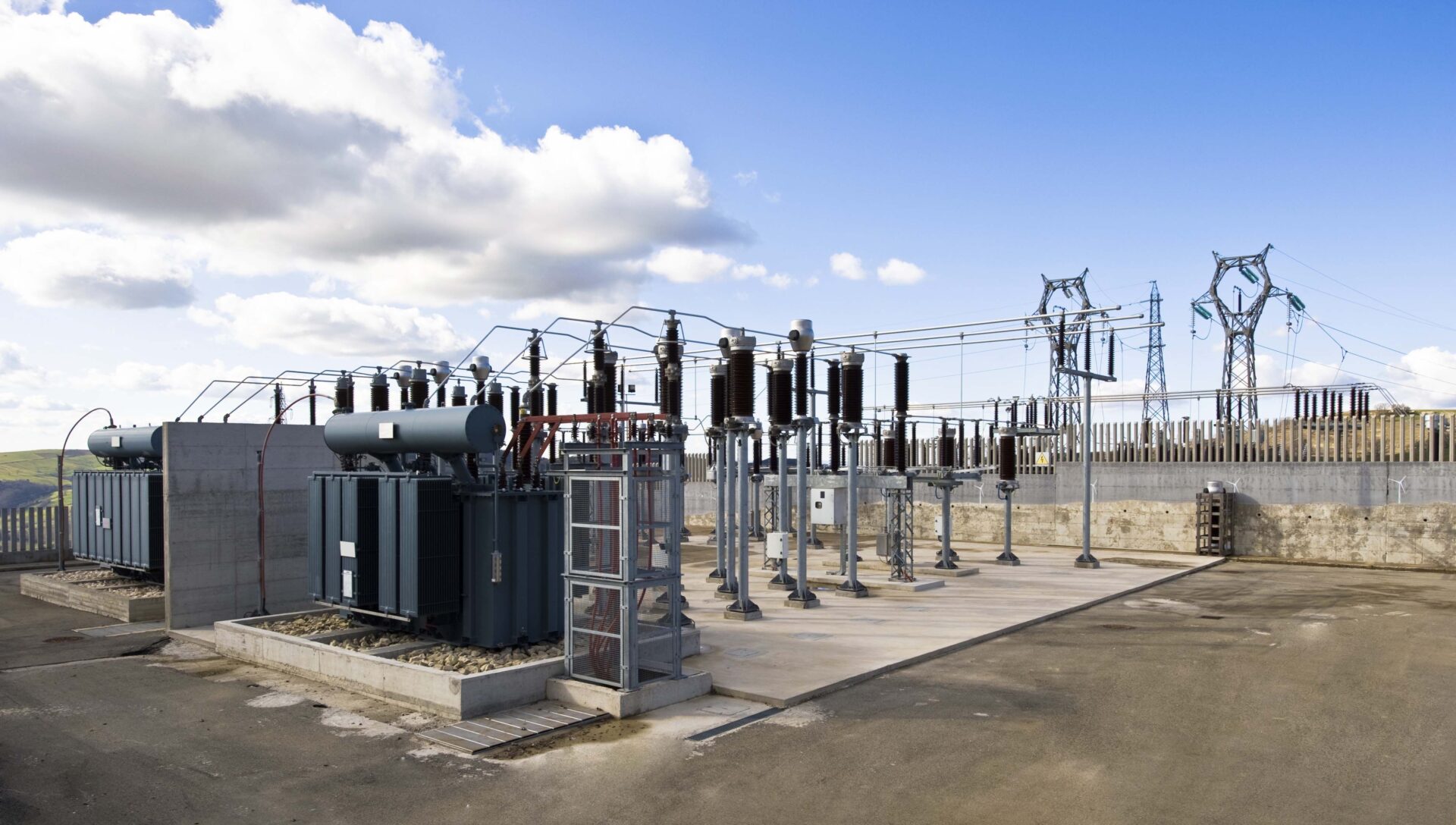
AFRICAN development bank has approved $2.5 million grant to promote intra-regional harmonization of electricity regulations and drive cross border trading among African countries.
The Board of the African Bank Group will be sourcing the grants from the African Development Fund, Common Market for Eastern and Southern Africa (COMESA) will receive grants worth $1,500,000 while South African Development Community (SADC) well receive grants of up to $1,000,000.
Join our WhatsApp Channel“The purpose of the grants is to help promote the development and adoption of electricity regulatory principle that will enhance capacity to monitor utility performance across the region, conduct a cross border analysis of electricity tariffs and develop a centralized database for management system of both blocs.
“The projects promises to contribute to ensure soft infrastructure requirements for the development of a regional power market are addressed to complement investments in hard infrastructure that the Bank and other development partners are making in the region,” Dr. Mahamedain Seif Elnasr, Chief Executive Officer (RAERESA) said.
Mr Elijah Sichone Executive Director (RERA) said, “these two projects will be implemented through a combination of studies, capacity building and development of tools with the objective to facilitate the harmonization of regulatory frameworks across SADC and COMESA regions to enhance electricity trade among SADC member states as well as improve access”.
The projects will be implemented through Regional Association for Eastern and Southern Africa(RAERESA) and Regional Energy Regulators Association of Southern Africa(RERA) respectively
Despite SADC having the highest generation capacity of all African regions and ample water, biomass, solar, wind energy potential and energy access within the bloc, particularly in rural areas, is low. This is because of an inadequate regulatory environment, a move away from reliance on coal and hydropower.
COMESA member countries also face inadequate infrastrural problems, uncompetitive electricity tariffs and an overreliance on on traditional fuel sources such as wood and charcoal, even though there is an immense untapped energy potential which includes hydropower in the Democratic Republic of Congo and Ethiopia, as well as solar and wind and geothermal reserves in Kenya and Uganda.

- Kayode Shopekan
- Kayode Shopekan
- Kayode Shopekan
- Kayode Shopekan
- Kayode Shopekan
- Kayode Shopekan
- Kayode Shopekan
- Kayode Shopekan
- Kayode Shopekan
- Kayode Shopekan
- Kayode Shopekan
- Kayode Shopekan
- Kayode Shopekan
- Kayode Shopekan
- Kayode Shopekan
- Kayode Shopekan
- Kayode Shopekan
- Kayode Shopekan
- Kayode Shopekan
- Kayode Shopekan
- Kayode Shopekan
- Kayode Shopekan
- Kayode Shopekan
- Kayode Shopekan
- Kayode Shopekan
- Kayode Shopekan
- Kayode Shopekan
- Kayode Shopekan
- Kayode Shopekan
- Kayode Shopekan
- Kayode Shopekan
- Kayode Shopekan
- Kayode Shopekan
- Kayode Shopekan
- Kayode Shopekan
- Kayode Shopekan
- Kayode Shopekan
- Kayode Shopekan
- Kayode Shopekan
- Kayode Shopekan
- Kayode Shopekan
- Kayode Shopekan
- Kayode Shopekan
- Kayode Shopekan
- Kayode Shopekan
- Kayode Shopekan
- Kayode Shopekan
- Kayode Shopekan
- Kayode Shopekan
- Kayode Shopekan
- Kayode Shopekan
- Kayode Shopekan
- Kayode Shopekan
- Kayode Shopekan
- Kayode Shopekan
- Kayode Shopekan
- Kayode Shopekan
- Kayode Shopekan
- Kayode Shopekan
- Kayode Shopekan
- Kayode Shopekan
- Kayode Shopekan
- Kayode Shopekan
- Kayode Shopekan
- Kayode Shopekan
- Kayode Shopekan
- Kayode Shopekan
- Kayode Shopekan
- Kayode Shopekan
- Kayode Shopekan
- Kayode Shopekan
- Kayode Shopekan
- Kayode Shopekan
- Kayode Shopekan
- Kayode Shopekan
- Kayode Shopekan
- Kayode Shopekan
- Kayode Shopekan
- Kayode Shopekan
- Kayode Shopekan
- Kayode Shopekan
- Kayode Shopekan
- Kayode Shopekan
- Kayode Shopekan
- Kayode Shopekan
- Kayode Shopekan
- Kayode Shopekan
- Kayode Shopekan
- Kayode Shopekan
- Kayode Shopekan
- Kayode Shopekan
- Kayode Shopekan
- Kayode Shopekan
- Kayode Shopekan
- Kayode Shopekan
- Kayode Shopekan
- Kayode Shopekan
- Kayode Shopekan
- Kayode Shopekan
- Kayode Shopekan
- Kayode Shopekan
- Kayode Shopekan
- Kayode Shopekan
- Kayode Shopekan
- Kayode Shopekan
- Kayode Shopekan
- Kayode Shopekan
- Kayode Shopekan
- Kayode Shopekan
- Kayode Shopekan
- Kayode Shopekan
- Kayode Shopekan
- Kayode Shopekan
- Kayode Shopekan
- Kayode Shopekan
- Kayode Shopekan
- Kayode Shopekan
- Kayode Shopekan
- Kayode Shopekan
- Kayode Shopekan
- Kayode Shopekan
- Kayode Shopekan
- Kayode Shopekan
- Kayode Shopekan
- Kayode Shopekan
- Kayode Shopekan
- Kayode Shopekan
- Kayode Shopekan
- Kayode Shopekan
- Kayode Shopekan
- Kayode Shopekan
- Kayode Shopekan
- Kayode Shopekan
- Kayode Shopekan
- Kayode Shopekan
- Kayode Shopekan
- Kayode Shopekan
- Kayode Shopekan
- Kayode Shopekan
- Kayode Shopekan
- Kayode Shopekan
- Kayode Shopekan
- Kayode Shopekan
- Kayode Shopekan
- Kayode Shopekan
- Kayode Shopekan
- Kayode Shopekan
- Kayode Shopekan
- Kayode Shopekan
- Kayode Shopekan
- Kayode Shopekan
- Kayode Shopekan
- Kayode Shopekan
- Kayode Shopekan
- Kayode Shopekan
- Kayode Shopekan
- Kayode Shopekan
- Kayode Shopekan
- Kayode Shopekan
- Kayode Shopekan
- Kayode Shopekan
- Kayode Shopekan
- Kayode Shopekan
- Kayode Shopekan
- Kayode Shopekan
- Kayode Shopekan
- Kayode Shopekan
- Kayode Shopekan
- Kayode Shopekan
- Kayode Shopekan
- Kayode Shopekan
- Kayode Shopekan
- Kayode Shopekan
- Kayode Shopekan
- Kayode Shopekan
- Kayode Shopekan
- Kayode Shopekan
- Kayode Shopekan
- Kayode Shopekan
- Kayode Shopekan
- Kayode Shopekan
- Kayode Shopekan
- Kayode Shopekan
- Kayode Shopekan
- Kayode Shopekan
- Kayode Shopekan
- Kayode Shopekan
- Kayode Shopekan
- Kayode Shopekan
- Kayode Shopekan
- Kayode Shopekan
- Kayode Shopekan
- Kayode Shopekan
- Kayode Shopekan
- Kayode Shopekan
- Kayode Shopekan
- Kayode Shopekan
- Kayode Shopekan
- Kayode Shopekan
- Kayode Shopekan
- Kayode Shopekan
- Kayode Shopekan
- Kayode Shopekan
- Kayode Shopekan
- Kayode Shopekan
- Kayode Shopekan
- Kayode Shopekan
- Kayode Shopekan
- Kayode Shopekan
- Kayode Shopekan
- Kayode Shopekan
- Kayode Shopekan
- Kayode Shopekan
- Kayode Shopekan
- Kayode Shopekan
- Kayode Shopekan
- Kayode Shopekan
- Kayode Shopekan
- Kayode Shopekan
- Kayode Shopekan
- Kayode Shopekan
- Kayode Shopekan
- Kayode Shopekan
- Kayode Shopekan
- Kayode Shopekan
- Kayode Shopekan
- Kayode Shopekan
- Kayode Shopekan
- Kayode Shopekan
- Kayode Shopekan
- Kayode Shopekan
- Kayode Shopekan
- Kayode Shopekan
- Kayode Shopekan
- Kayode Shopekan
- Kayode Shopekan
- Kayode Shopekan
- Kayode Shopekan
- Kayode Shopekan
- Kayode Shopekan
- Kayode Shopekan
- Kayode Shopekan
- Kayode Shopekan
- Kayode Shopekan
- Kayode Shopekan
- Kayode Shopekan