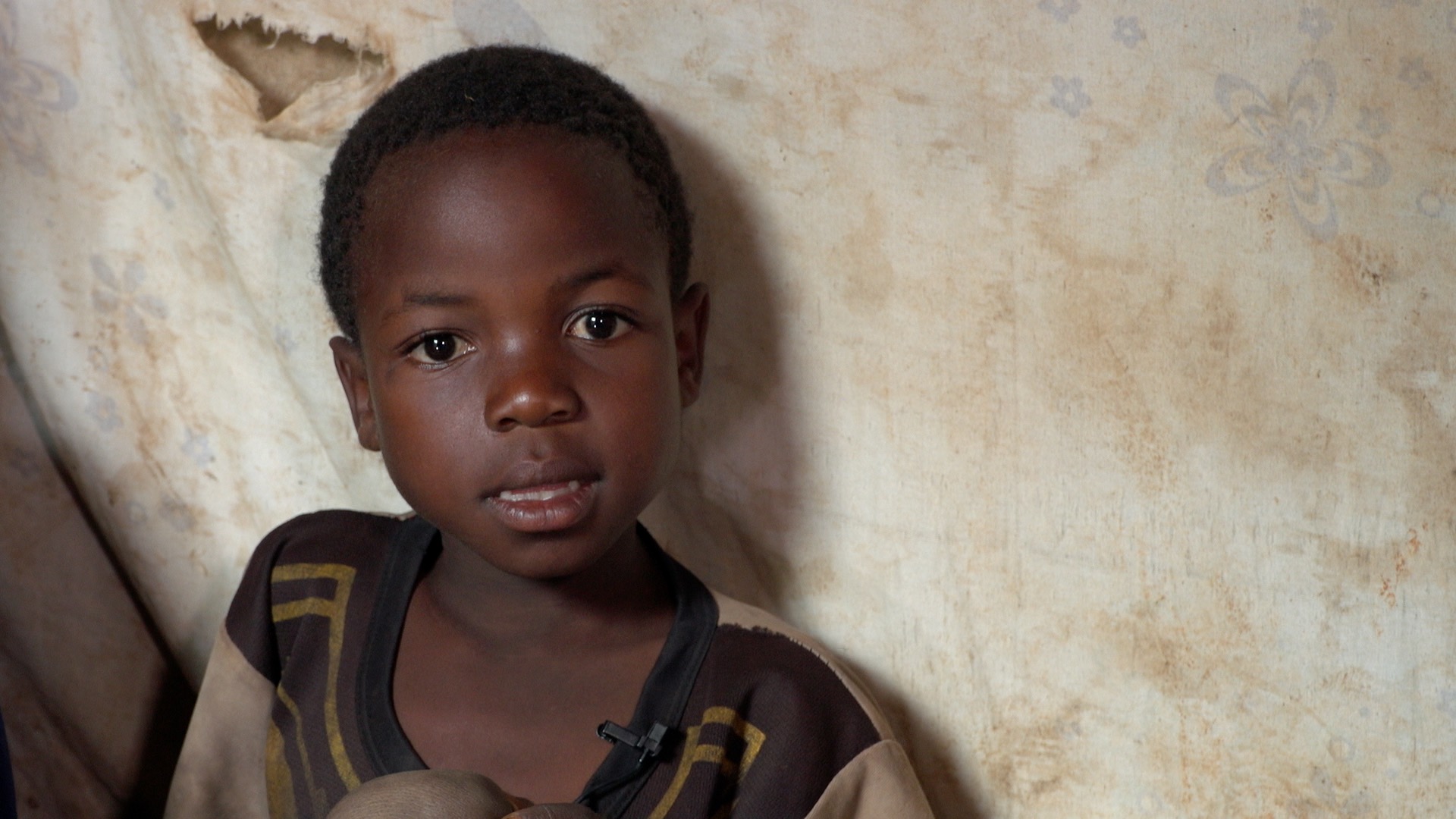
A new BBC Africa Eye investigation reveals children in Africa are being exploited to make personalised videos, including racist content, for sale on Chinese websites and social media.
By combining open-source analysis, traditional reporting and undercover journalism, BBC Africa Eye/BBC Eye tracked down and confronted one prolific Chinese video producer who has used very young children from rural Malawi to make and sell thousands of videos.
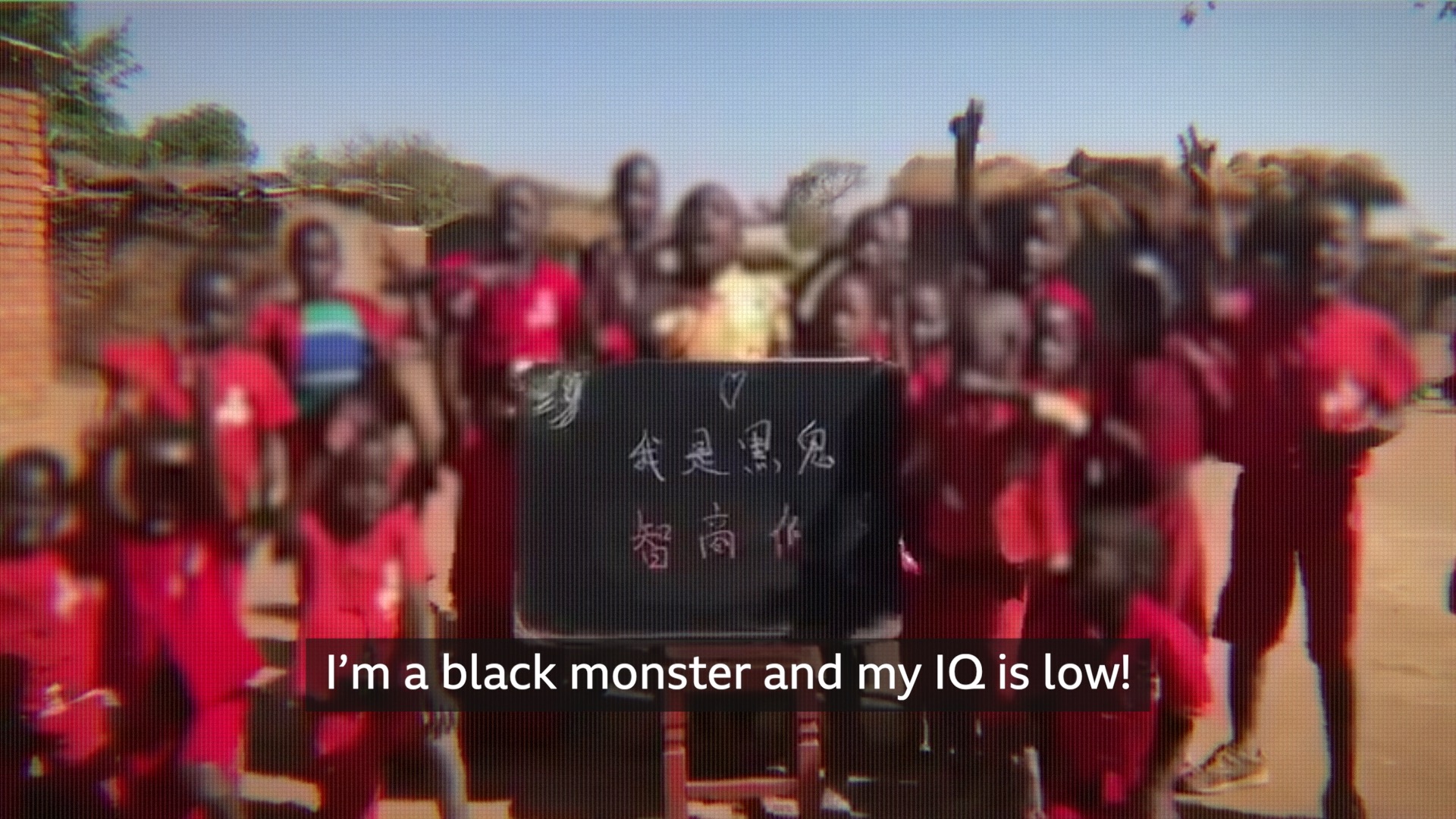
 In February 2020 a shocking video began circulating on Chinese social media. A group of young African children are being instructed, by a voice off-camera, to chant phrases in Chinese. The kids repeat the words with smiles and enthusiasm — but they don’t understand that what they’re being told to say is “I am a black monster and my IQ is low.”
The video ignited outrage in China and beyond. Ghanaian vlogger Wode Maya made a scalding denunciation of the clip on his platform, which is one of the most popular YouTube channels in Africa.
But no-one has ever answered the crucial questions: Why was this filmed? Where was it shot? Who made it? And why has no one been held accountable?
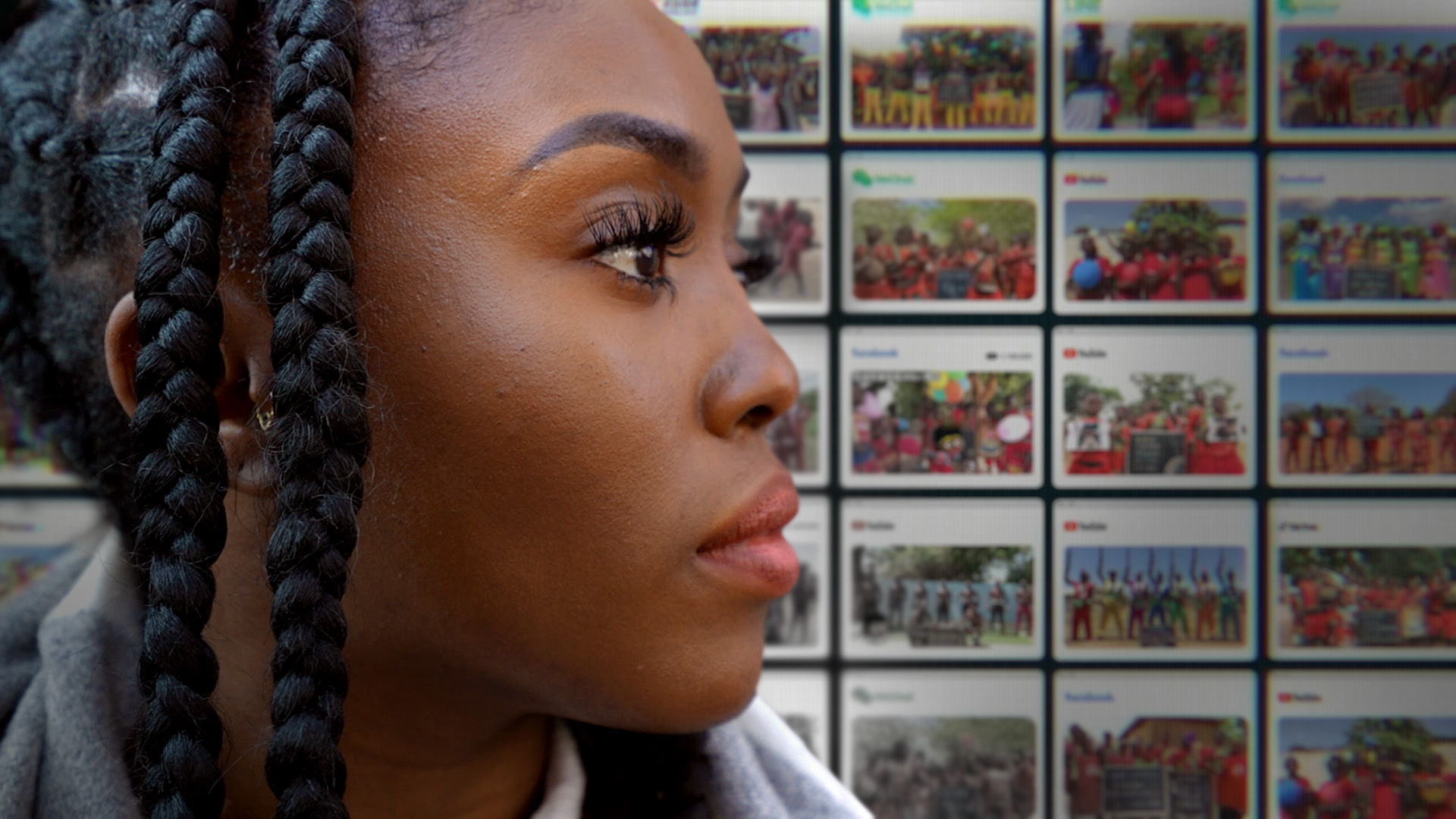
 These questions sent BBC Africa Eye/BBC Eye reporter Runako Celina on a journey into a Chinese video-making industry that exploits vulnerable children across the continent.
Having studied and worked in China for several years, Runako had experienced first-hand the pervasive racism that is directed at black people in the country.
In China it has become popular to send personalised greeting videos via social media and messaging apps using African children. These videos range in price between $10 and $70 US dollars.
After analysing hundreds of similar videos and cross-referencing them against satellite imagery from Google Earth, Runako and the BBC Africa Eye/BBC Eye team were able to locate exactly where the ‘Low IQ’ clip was shot: a village on the outskirts of Lilongwe, the capital of Malawi.
There, Runako was joined by Malawian investigative journalist Henry Mhango — and together they began tracking the digital and on-the-ground footprints of a Chinese filmmaker they suspected of making the ‘low IQ’ video. They were assisted by a Chinese journalist who, using undercover filming, recorded the man expressing a series of shockingly racist opinions about Malawians and about black people in general.
The reporters also meet some of the families involved in the filmmaker’s activities and examine how cultural misunderstandings, rural poverty, and racist exploitation underpin the video-making industry he belongs to. The grandmother of a child featured in the ‘low IQ’ video told the BBC that the Chinese producer was “profiting from the poor.”
In a tense conclusion to the investigation, Runako and Henry track down the man and confront him about the exploitation of Malawian children and about the racist attitudes he has expressed.
As their journey comes to an end, the reporters are encouraged that their investigation has exposed and disrupted one video-making operation — but in villages across the continent, African children are still being exploited for profit.
The film can be viewed at: https://youtu.be/I0DJlSqlmEw