 Victor Ezeja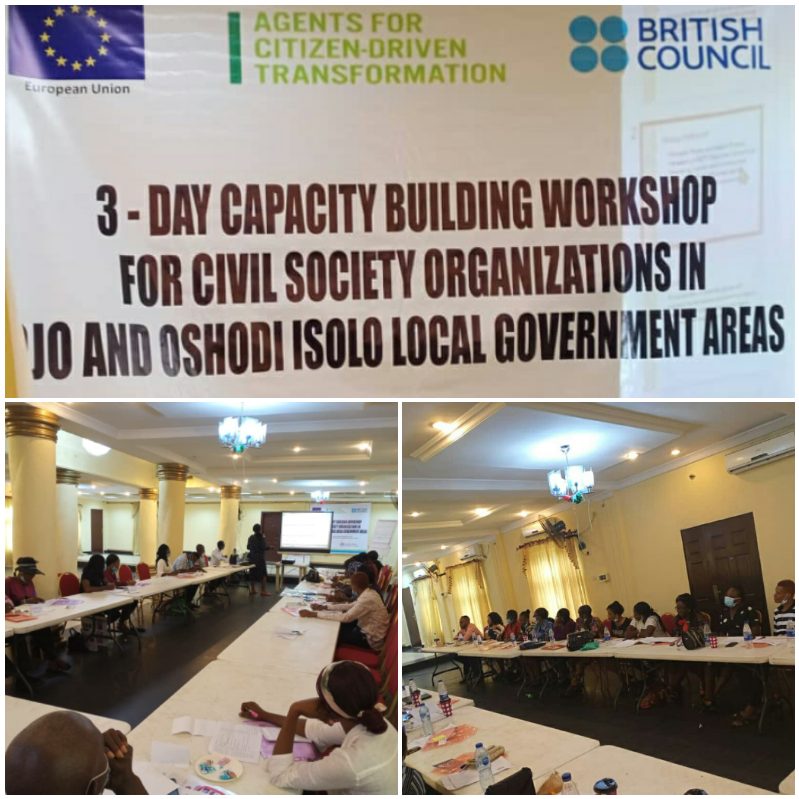
By Victor Ezeja
Despite positive interventions in form of community-level advocacy and campaigns by government and NGOs to curb the practice of female genital mutilation (FGM), pockets of cases of it in some parts of Nigeria are still recorded, a development consultant, Mrs Omoworare has lamented.
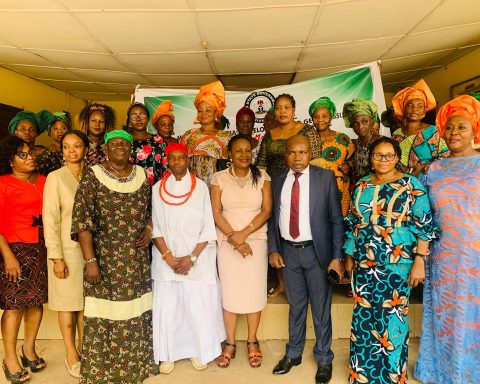
Omoworare who is a principal consultant at Fibodaire Development Consultant, stated this on Wednesday while leading a session on the topic: “Sexual and Gender-based Violence: Responses and Case Management” as part of activities for a 3-day workshop organised by Women’s Rights and Health Project (WRAHP) for Civil Society Organisations in Ojo, Oshodi Isolo area of Lagos.
Join our WhatsApp ChannelOmoworare who pointed out that FGM is an aspect of sexual and gender-based violence (SGBV), observed that there are places and specific states in the country where cases of such practices are still recorded who see it as an integral part of their tradition for female purification ritual, though it has drastically reduced.
In October, the Nigeria’s minister of Women Affairs, Dame Pauline Tallen had while speaking at an event to raise awareness about FGM and cancer said the country has one of the highest rates of FGM, but efforts are being made to continue to discourage the practice.
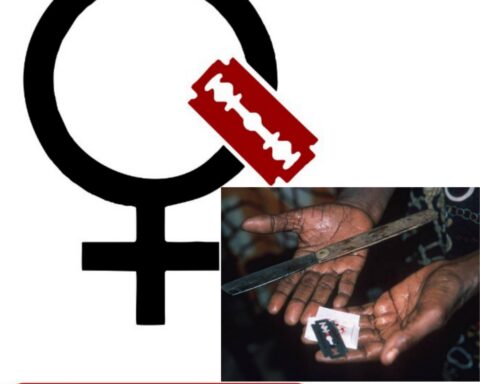
FGM which is a practice of cutting or mutilation of the female genital for purpose of circumcision, has been an age-long practice in some African communities but are considered medically harmful to women.
Omoworare said organisations are continuously working through various approaches to ensure that the practice is completely stamped out in all parts of the country.
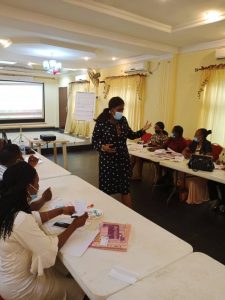
She remarked that the essence of the session was to sensitise upcoming civil society activists on how to respond and manage cases of SGBV in communities they find themselves.
She said there are legal provisions prohibiting FGM practices in Nigeria, and encouraged the participants and the citizens generally to make efforts to have good knowledge of the laws about human rights to be able to defend themselves when the need arises.
WRAHP, legal officer, Ireti Resource Centre, Barrister Turayo Falade who spoke about laws dealing on SGBV, like Violence Against Persons Prohibition Act 2015, Protection Against Domestic Violence Law 2007 (for Lagos State), among others, charged the CSOs to embark on a genuine drive to sensitise people in communities to become aware of those legal provisions and how they can take advantage of them to protect their rights against abuses.
In a chat with Prime Business Africa at the event, Founding President, Organisation for Non Formal Education Foundation, Riskat Omolara Yusuf stated that in looking at the causes of SGBV while managing cases of abuse victims, social workers consider the socio-economic factors which according to her, contribute to what fuel the violence.
Omolara said they usually find a way to economically empower the woman when they discover that she is not economically empowered and such could be contributing to the abuse.
“Sometimes you discover that issue of the violence comes from economic point of view; so at times their economic needs to be strengthened, so we do that a lot as a civil society,” she explained.
Omolara further advised fellow CEO activists to examine all possible causes when managing cases of SGBV in their areas.