Editor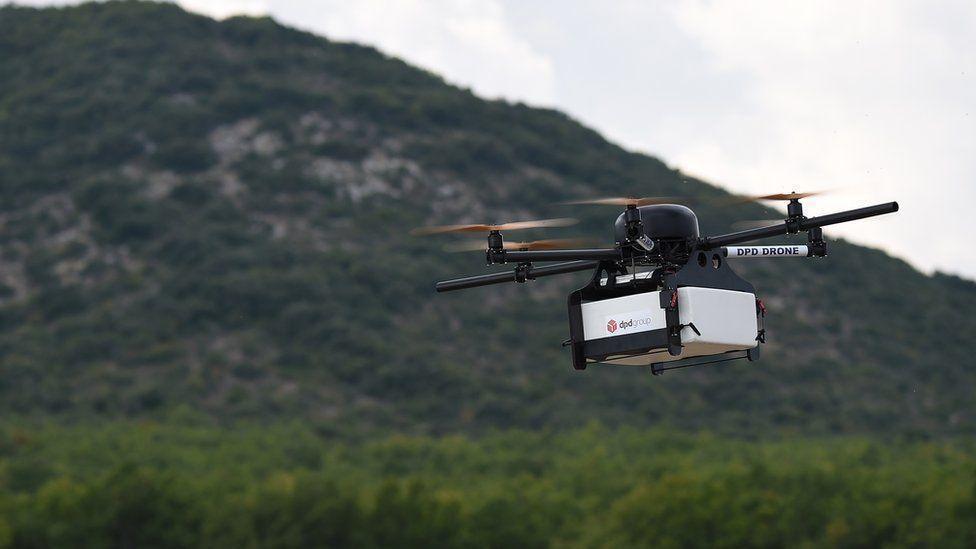
Some countries have managed to overcome health and infrastructure challenges through the use of drones that deliver vaccines to some of the remotest corners in Africa. This is just one example of how Africa has leapfrogged and added to the positive technological advancements coming out of the pandemic
Having previously worked as a senior economist in the economic policy division of the South African Treasury, Boingotlo Gasealahwe covers Africa for Bloomberg Economics in Johannesburg.
Her analysis and forecasts titled “Half a Billion in Poverty and Counting: How Covid Derailed Africa’s Development Goals” x-rayed the impact of COVID-19 on Africa’s sustainable development goals. In this exclusive interview, Prime Business Africa’s MARCEL MBAMALU takes her to task on some of the issues raised in the document.
Join our WhatsApp ChannelYour article says that COVID-19 has pushed 30 million Africans into extreme poverty and 500 million would remain in subsistence living by 2030. In what specific numbers and proportion would you say Nigeria contributes to this scenario, considering that it has the largest numbers in Sub-Saharan Africa?
Nigeria is not only the most populous country in Africa, it is also home to the largest number of poor people in SSA. Our estimates suggest that close to 90 million Nigerian’s are living in extreme poverty, meaning 1 in 5 of Sub-Saharan Africa’s extremely poor lives in Nigeria. This proportion was true even before the pandemic hit, however, the absolute number of poor people has increased from roughly 80 million in 2019 as a result of the havoc wrought on by COVID-19.
READ ALSO: COVID-19: NCDC Says It’s Monitoring Emerging Evidence On Omicron Variant
The suggestion for African countries to borrow their way out of the quagmire appears to be neutralised by the fact that most of them, especially Nigeria, are already reeling under serious debt burden with their yearly budgets in perpetual deficit. To what extent would this option work for Nigeria and some of its smaller West African neighbours like Ghana?
I cannot speak for others, but I can share our views. The correct policy response is for governments to increase spending to counter the COVID-19 shock and lay a foundation for a robust recovery. However, rising debt service costs and other vulnerabilities limited the space available for SSA governments to respond to the crisis.
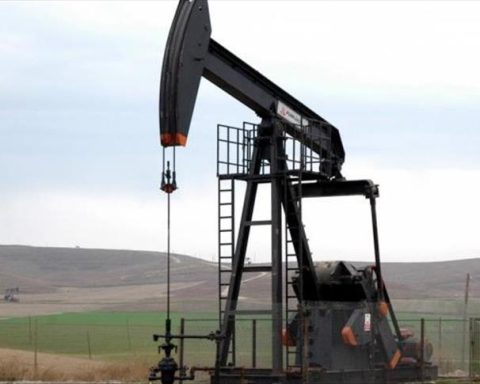
Falling oil prices for example saw Nigeria spending north of 80% in revenue to service its debt, constraining the space available to respond to the crisis.
The IMF’s response and that of the international community has been the debt suspension initiative. And what that did was effectively freeze debt repayments for a year, giving African countries the space to fight the pandemic. This is a quick way to free up resources.
But the biggest problem we had with this approach was that it channelled support to the most indebted countries as opposed to those who are most in need or worst affected by COVID. Others like Nigeria chose not to participate for fear of debt ratings or loss of market access.
We think a better solution would have been net transfers or direct aid if you will. They have the benefit of compensating for the full impact of COVID and the idea behind this is you put countries back in the same position they were in before COVID struck.
In other words, countries would be no worse off than they would’ve been had the pandemic not happened. Borrowing in this context then becomes a function of the old adage – maintain fiscal discipline and continue reform efforts.
Would you speak more on your “China support” and the “Road and Belt” remedy for Africa, especially in the context of the fact China is already being accused of doing so much for itself under the veneer of development support (Africa is more like a destination for Chinese goods)?
The Chinese experience varies across the region, and depends on how governments managed the funds they were given, the projects the money was invested in, how the deals were structured (i.e. the financing terms) and the country’s initial debt position. The latter however is a little bit more tricky because China has been a lender of last resort in many cases, so it is a bit of a double-edged sword.
Our paper acknowledges this tension by acknowledging that increased engagement with China promises to build needed infrastructure and open trade routes if done right. But it also threatens to add debt and stymie development if it’s done wrong.
Good governance is key to managing economic issues created by COVID-19, but this appears to be lacking in Nigeria and most of Africa; why is the report seemingly silent on this and what role can good corporate governance in public and private sectors of individual African economies play in getting things back on track?
Our proposed solutions do not absolve governments of any responsibility.
We are aware that beyond disruptions in economic progress, COVID came with some positive impacts on e-commerce and operational advancements in tech-related activities across the world. What could be Africa’s share of the positive side of this story and how much more effort would the continent require in this sphere to drive quicker recovery?
You are correct. The COVID -19 shock has the potential to drive long-term productivity gains, but the single biggest constraint to a quicker recovery remains the continent’s slow vaccine rollout – Nigeria included.
Sub Saharan Africa continues to lag behind, making it vulnerable to repeat waves of infection and new virus strains. This in turn is delaying the safe reopening of economies.
Part of the reason for the slow rollout is the continent’s poor health and road infrastructure which makes it difficult to reach more remote areas. However, some countries have managed to overcome this through the use of drones that deliver vaccines to some of the remotest corners in Africa. This is just one example of how Africa has leapfrogged and added to the positive technological advancements coming out of the pandemic.